Why Australian Pet Owners Should Consider Pet Gear for Outdoor Adventures

Benefits of Outdoor Adventures
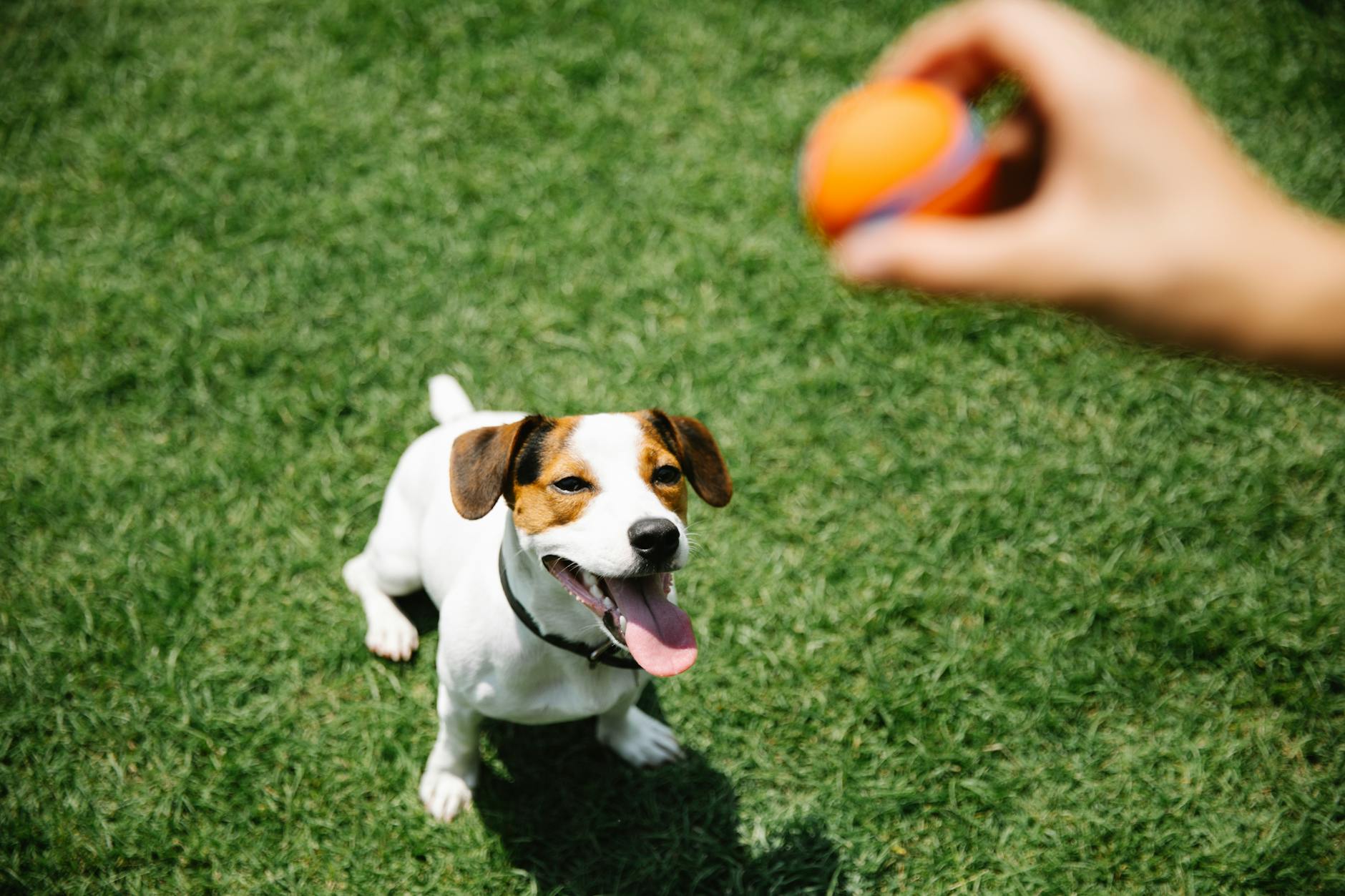
When you’re hiking trails in the Royal National Park, the right pet gear can transform the experience for both you and your furry companion. Outdoor adventures aren't just about exercise; they're a holistic way to boost your pet's health, build stronger bonds, and raise your environmental awareness.
Enhancing Pet Health
Outdoor activities contribute significantly to a pet's physical and mental well-being. Running or walking on varied terrains not only improves their cardiovascular health but also stimulates their minds with new scents and sights. Pet gear like a training collars dogs ensures that your pet engages safely, adapting to your pace and maintaining discipline.
Strengthening Owner-Pet Bonds
Few things are more rewarding than experiencing the great outdoors with your pet. Shared adventures deepen trust and understanding, as you both navigate new challenges and delight in discoveries together. The use of a hidden dog fence can offer peace of mind in wider open spaces, letting your pet explore without wandering too far.
Promoting Environmental Awareness
For an eco-conscious individual like me, integrating nature into pet care nurtures respect for our environment. As you trek through lush landscapes, you'll notice how your presence impacts the ecosystem. Equip your pet with a gps dog tracking device to monitor their adventures and encourage minimal ecological disruption.
Motivating your next outdoor escapade is the synergy of health, connection, and sustainability. Through intentional choices in gear and activity, you and your pet will continue to thrive together, embracing every adventure with enthusiasm and care.
Essential Pet Gear
Exploring the stunning landscapes with your pet requires the right gear to ensure a safe and enjoyable adventure. As someone who's often hiking along the scenic trails of the Royal National Park, I understand the importance of being well-prepared. From diverse weather conditions to unpredictable paths, having appropriate gear can make all the difference.
Weather-Appropriate Apparel
The ever-changing Australian climate means it's essential to invest in weather-appropriate gear for your pet. This includes lightweight raincoats for those sudden downpours and breathable jackets for colder days. When selecting gear, consider breathable materials that prevent overheating during a brisk hike.
Safety Harnesses and Leashes
Navigating through uneven terrains requires reliable safety gear. A sturdy harness paired with a durable leash is a must-have for any outing. This ensures your pet's safety while providing you with peace of mind. Personally, I always opt for harnesses that offer additional grip and comfort, especially on steeper trails.
Portable Hydration Solutions
Hydration is crucial during long hikes. Portable hydration solutions, like collapsible water bowls or hydration packs for dogs, offer convenient access to water on the go. These essentials can be easily stored in your hiking backpack next to your favourite dog travel accessories.
If you're keen on keeping your pet safe and happy during your adventures, investing in the right gear is essential—even if it means avoiding unnecessary items like shock collars for a dog. Knowing you're equipped with the right gear, you can embark on your outdoor escapades with confidence.
Safety Tips for Outdoor Adventures
Assessing Terrain and Weather Risks
When taking your pet on an outdoor adventure, it's crucial to be aware of the terrain and weather conditions. I've discovered this firsthand during my hikes in the Royal National Park, where knowing the lay of the land can make all the difference. Uneven or rocky paths may require extra caution, if not special gear, like durable safety harnesses, to avert mishaps. Be vigilant about weather changes too; this can affect not just your comfort but your furry companion's as well. Equip your pack with essential pet gear, including bark collars, especially if your pup is reactive to unfamiliar environments.
Ensuring Tick and Parasite Protection
Walking through grassy or wooded areas can expose your four-legged friend to ticks and parasites. I always recommend using preventive measures like tick repellents or treatments, as they work wonders in keeping these pests at bay. In my adventures on popular hiking trails, ensuring tick protection has become second nature, reminding me of the importance of veterinary consultations beforehand.
Being Prepared for Emergencies
Emergencies are an unfortunate part of outdoor activities, which is why being prepared is vital. Carry a compact first aid kit and a list of emergency veterinary contacts, especially if you frequent places with limited access to immediate help, like certain secluded trails. Adding anti bark collar in your kit can aid in quieting your dog in high-stress situations, ensuring their well-being and that of everyone around.
Eco-Friendly Gear Options
Choosing eco-friendly gear isn't just about protecting our environment; it's about ensuring the well-being of our furry friends too. As outdoor enthusiasts, we're not just adventurers; we're stewards of nature, and our gear should reflect that commitment. Finding sustainable options while hiking the challenging trails in places like the Royal National Park can be both rewarding and practical. When hitting those trails with your pet, you'll want gear made from sustainable material choices—think recycled plastics and organic fibres. Such materials not only minimise pollution but also promise durability.
Secondly, consider products made from renewable resources. For example, bamboo is a great alternative due to its rapid growth and low water usage compared to traditional materials. Our adventures inspire responsible choices, pushing us to opt for bamboo-based leashes, collars, and toys.
Finally, eco-conscious packaging is something we can't overlook. While grabbing that new pet harness from an outdoor gear shop in Darlinghurst, look for packaging options that can be recycled or are biodegradable. This small change can make a big difference by reducing waste that ends up in our outdoor spaces.
Remember, selecting products like an anti barking collar or dog collars that shock with these considerations in mind contributes to a healthier planet and a harmonious experience for you and your pet.
Overcoming Gear Challenges
Tackling Gear Resistance in Pets
I've faced my fair share of challenges in getting my furry mate to wear his gear. Many pets might not immediately take to their new hiking boots or raincoat, but patience and positive reinforcement work wonders. When introducing new gear, start slowly, allowing your pet to sniff and explore each item. Use treats as a reward when they willingly wear the gear. My dog initially resisted wearing his harness, but after exploring the trails of the Royal National Park with strategically placed rewards, he now gets excited every time he sees it.
Balancing Functionality and Comfort
Finding gear that ticks both the functionality and comfort boxes can be tricky. In one of the adventure gear sessions at the Sydney Olympic Park, I discovered that prioritising your pet's comfort is key. Opt for gear that offers adjustability, ensuring a snug fit without being too tight. Lightweight materials are often a smart choice, especially in the sunny climes of Sydney, where breathable fabrics can make a huge difference. Local outdoor gear shops in Darlinghurst often stock a range of adaptable items that cater to these needs.
Navigating Terrain Difficulties
Whether it's the rocky outcrops along the Figure Eight Pools or the dense foliage of the Couranga walking track, varied terrains pose unique challenges. It's crucial to invest in gear designed to withstand diverse environments. Look for durable, non-slip footwear for your pet to keep them steady on slippery surfaces. I once faced a slippery hillside on a detour, and the right gear kept us both safe. Similarly, consider additional features like waterproofing to ensure you’re ready for unexpected downpours. By considering these aspects, you and your pet will be well-prepared for any adventure that Australia throws your way.